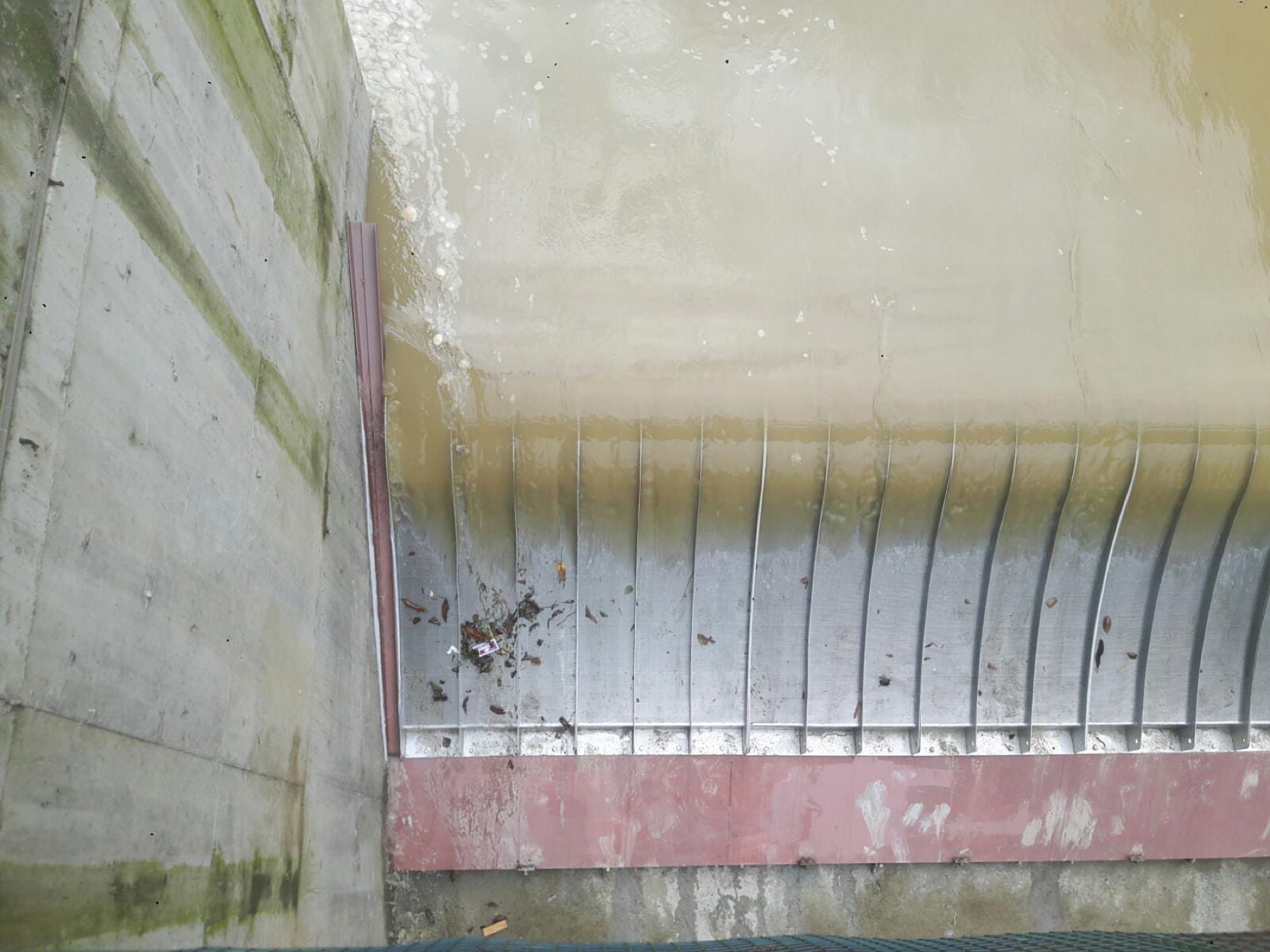
Seydioğlu HPP (hydropower plant), before and after. Drag to compare.
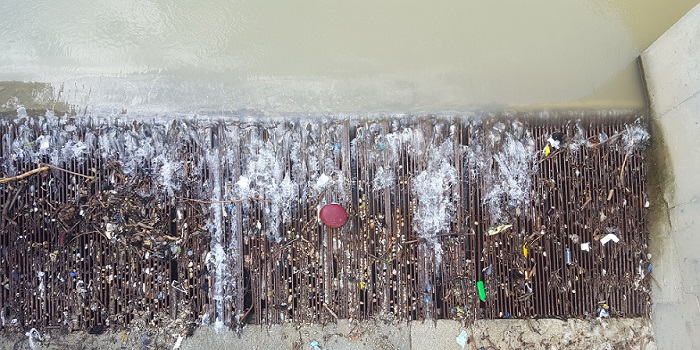
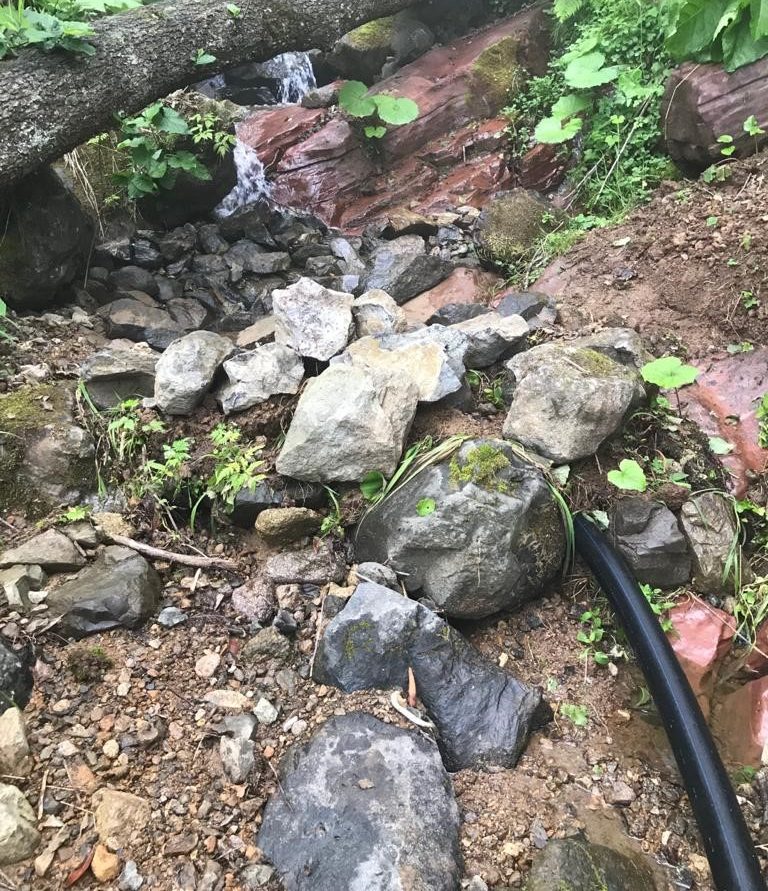
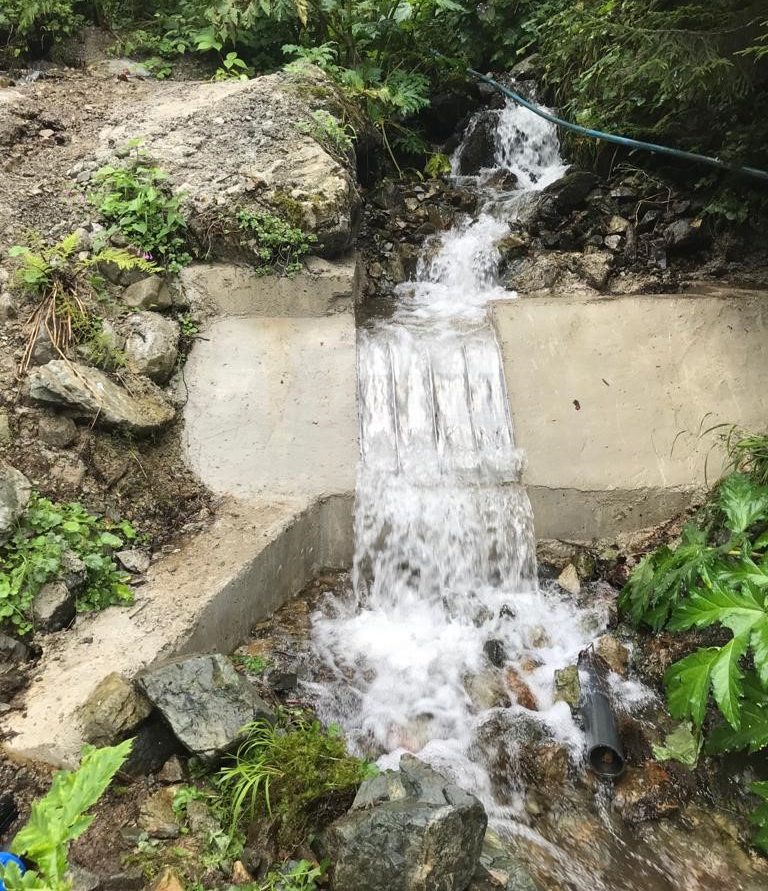
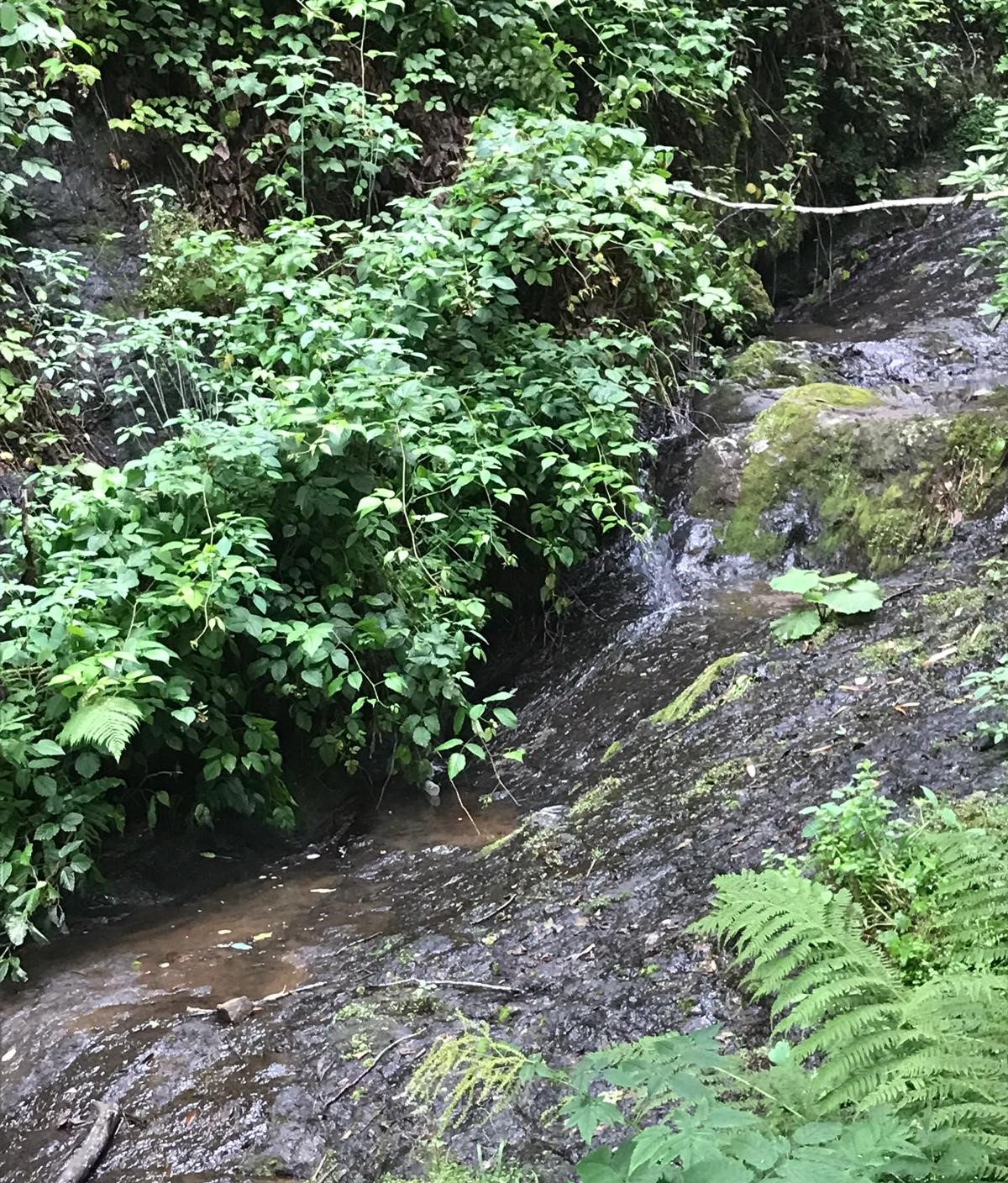
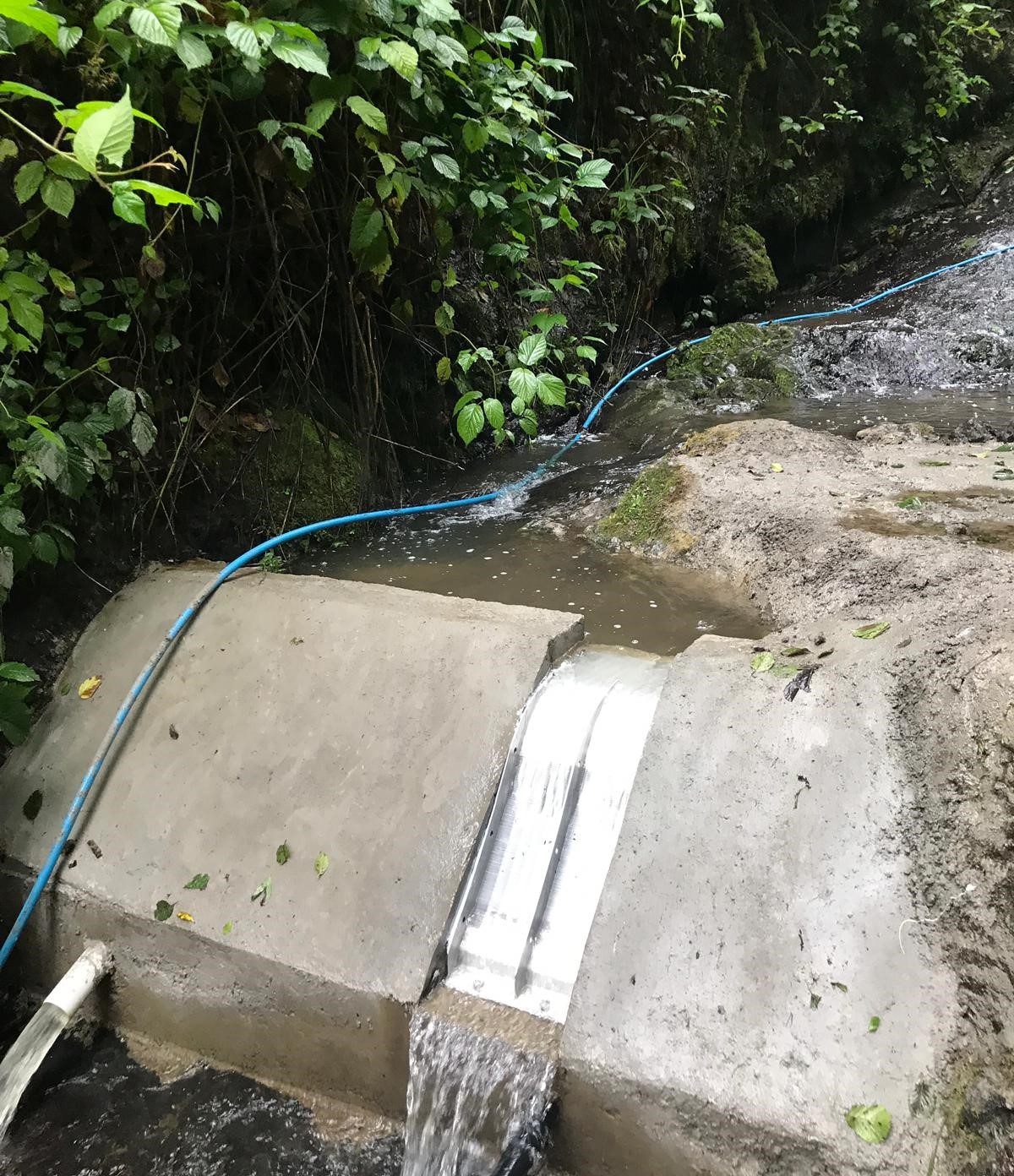
The same comparison at 10–30 l/s: village intakes from the TISKI (Trabzon Water and Sewerage Administration) project.
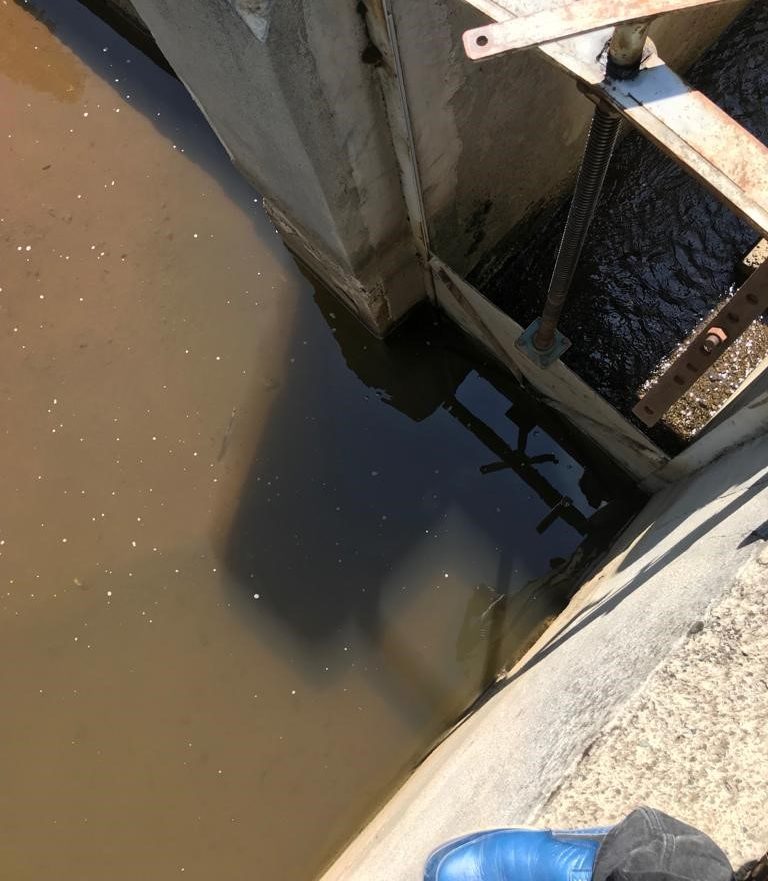
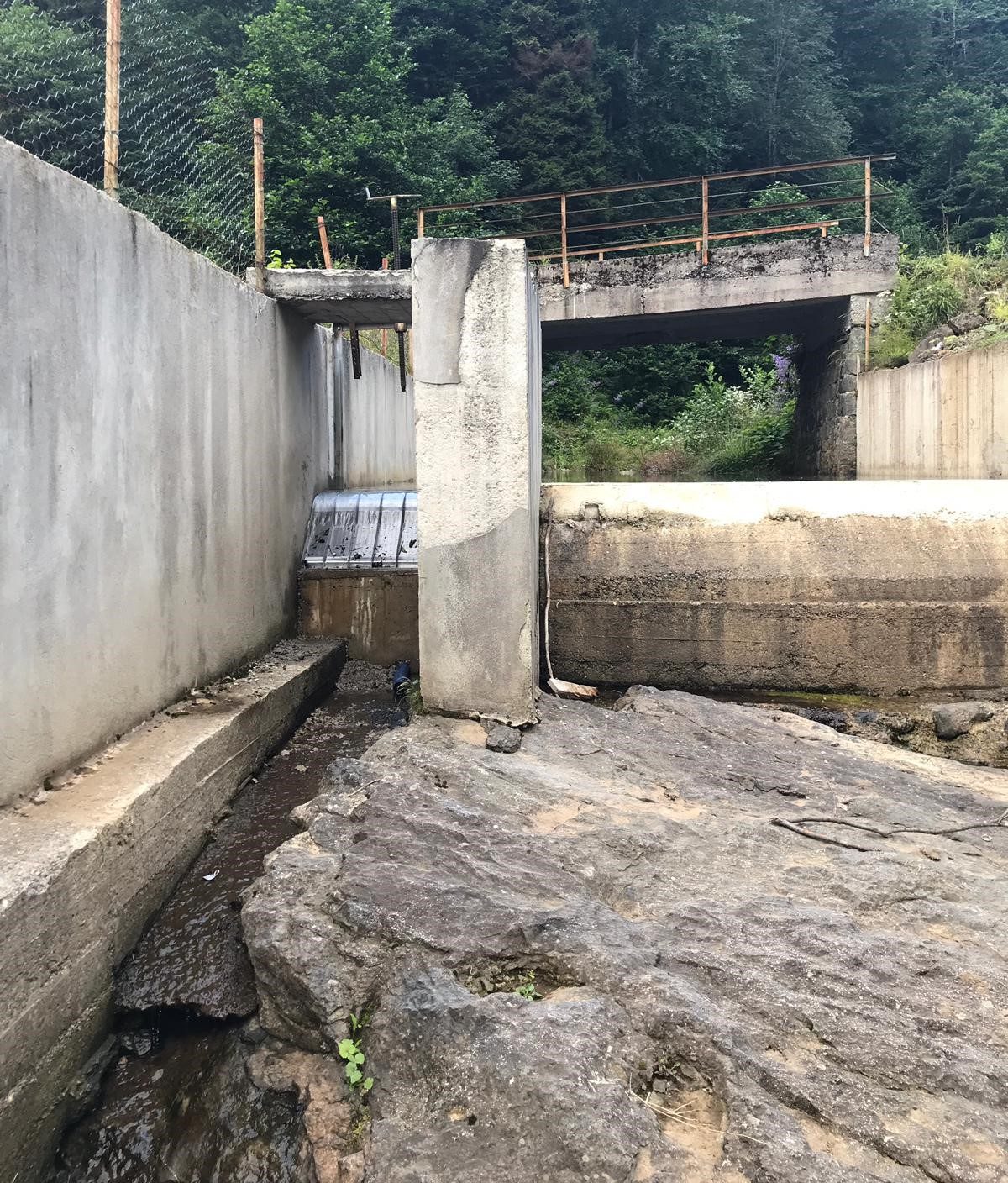
Advantages of Retrofitting
Uninterrupted Water Supply
A bar screen or trash rack clogs with leaves and branches, and on a mountain stream that means cleaning it by hand several times a day, or the intake stopping completely in the flood season. A Coanda screen uses the flow of the river itself to sweep debris across the screen face and carry it downstream, so screened water keeps flowing with nobody on site.
Supply Through Winter
In freezing weather, small ice crystals freeze onto submerged trash rack bars and choke the intake at exactly the moment the site is hardest to reach. Water moving across a Coanda screen face keeps it open under snow and ice: ADENCO mountain intakes in Türkiye keep operating beneath ice cover through the winter. When the intake supplies a drinking water network or a hydropower plant that must generate through the winter, this is usually the deciding reason for the retrofit.
No Electricity, No Moving Parts
Remove the motors, drive units, and control panels. The screen is driven by the water flow alone and needs no power supply, so there is no electrical connection at the intake, no electrical equipment to fail in a storm, and nothing that can break down as the water rises.
Maintenance Is Reduced to Inspection
No spare parts, no service contracts, no annual overhauls. Maintenance is reduced to a seasonal clean by hand and an annual inspection; a retrofitted intake typically goes from daily cleaning to a few site visits per year.
Finer, More Consistent Screening
The standard 1 mm slot gives far finer screening than the trash rack it replaces, and capacity stays the same regardless of debris load or weather. Turbines and downstream treatment plants receive cleaner water from day one.
Regulatory Compliance Built In
Fish and debris are carried across the screen face and returned to the river, and the screen can be supplied to meet fish screening regulations that mechanical systems may not satisfy. We supply the documentation for your permit application.
From Assessment to Operation
Site Assessment
We evaluate your existing intake structure: channel dimensions, weir geometry, flow conditions, and debris type and load. This can be done remotely with photos, drawings, and basic measurements.
Hydraulic Design
2 business daysOur engineering team designs a Coanda screen configuration that fits your existing concrete structure. We optimise screen geometry, tilt angle, and slot width (the gap between the wires) for your specific flow and debris conditions.
Manufacturing
2–4 weeksEvery screen is custom-manufactured in our facility from certified stainless steel. We provide full material traceability (EN 10204 Type 3.1) and dimensional inspection reports.
Delivery & Installation Support
1–2 weeksScreens are delivered worldwide with detailed installation drawings. We provide remote installation guidance or on-site supervision as needed. The scope of concrete works is determined at the design stage: replacing an existing Coanda screen with a new one needs no structural work; converting a conventional intake may need small changes to the concrete or, on large hydropower structures, a supporting steel frame.
Commissioning
Same dayOnce installed, the screen starts working immediately and commissioning is simple. No electrical connections, no calibration, no control systems. As soon as water flows, screening begins.
Retrofit FAQ
Do I need to modify my existing concrete structure?
It depends on what you are replacing. If existing Coanda screens are being swapped for new ones, no concrete changes are needed: the new screens are built to the same interface and fit into place. Converting a conventional intake usually means local concrete revisions to support the acceleration plate and to form the collection channel; where that concrete work would be substantial, as on large hydropower structures, the alternative is to mount the screens on a fabricated steel support frame instead. For small flows, the pre-assembled ADENCO-BOX puts screen, housing and outlet in one prefabricated unit, so a site can be served with almost no concrete work at all. The site assessment tells you which case applies to your site before you commit to anything.
Can I retrofit while the hydropower plant is operating?
Yes, and it has been done at many operating hydropower plants and water supply intakes. On intakes with multiple screens the work is done in stages: flow is shut off over one section at a time, the screens are installed there, water is returned over the finished section, and installation moves on to the next. The intake keeps taking water through the sections not being worked on. For intakes with a single screen, the work is done during a planned shutdown instead; mounting a screen is fast, typically 1 to 2 hours per unit.
Will the screen keep working under snow and ice?
Yes. Conventional trash racks fail in winter because small ice crystals freeze onto the submerged bars and choke the intake. On a Coanda screen the water moves across the screen face rather than through a submerged panel, which keeps the screen face open: ADENCO mountain intakes in Türkiye keep taking water beneath ice cover through the winter, and the screen face becomes free of ice again on its own once the flow and the temperature return to normal.
See the case study: two Trabzon intakes photographed under iceWhat happens during floods and the heavy debris season?
Flood season is when the self-cleaning matters most. Flood flow arrives with the heaviest debris load, but it also brings the excess flow that sweeps leaves, branches and litter across the screen face and carries them downstream. The screen keeps diverting its design flow at exactly the moment a conventional screen used to clog.
What happens to my existing mechanical system?
Your existing mechanical system can be fully removed. Once the Coanda screen is installed, there are no motors, drive units, controllers, or moving parts to maintain. Your electrical and mechanical infrastructure for screening is no longer needed.
What information do you need to start?
We need the channel and weir dimensions, the design flow rate, the debris type, the characteristics of the river or canal, and photos of the existing intake. Our team will help you at each step.
How long does the full retrofit process take?
Design drawings are ready in 2 business days and manufacturing takes 2 to 4 weeks for standard orders, up to 6 weeks for multi-unit arrays and up to 8 weeks for arrays of more than ten units. The overall time to an installed screen then depends on screen size, shipping, and site scheduling.
Ready to Retrofit?
Send us your site details and our engineering team will assess your retrofit potential. No obligation.